1 July 2025 · 3 min read
Air-Purifying Plants: Nature's Best Cleaners
Five hardy houseplants that quietly filter formaldehyde, benzene and other indoor pollutants, and how to keep them working at their best.
- indoor plants
- air quality
- plant care
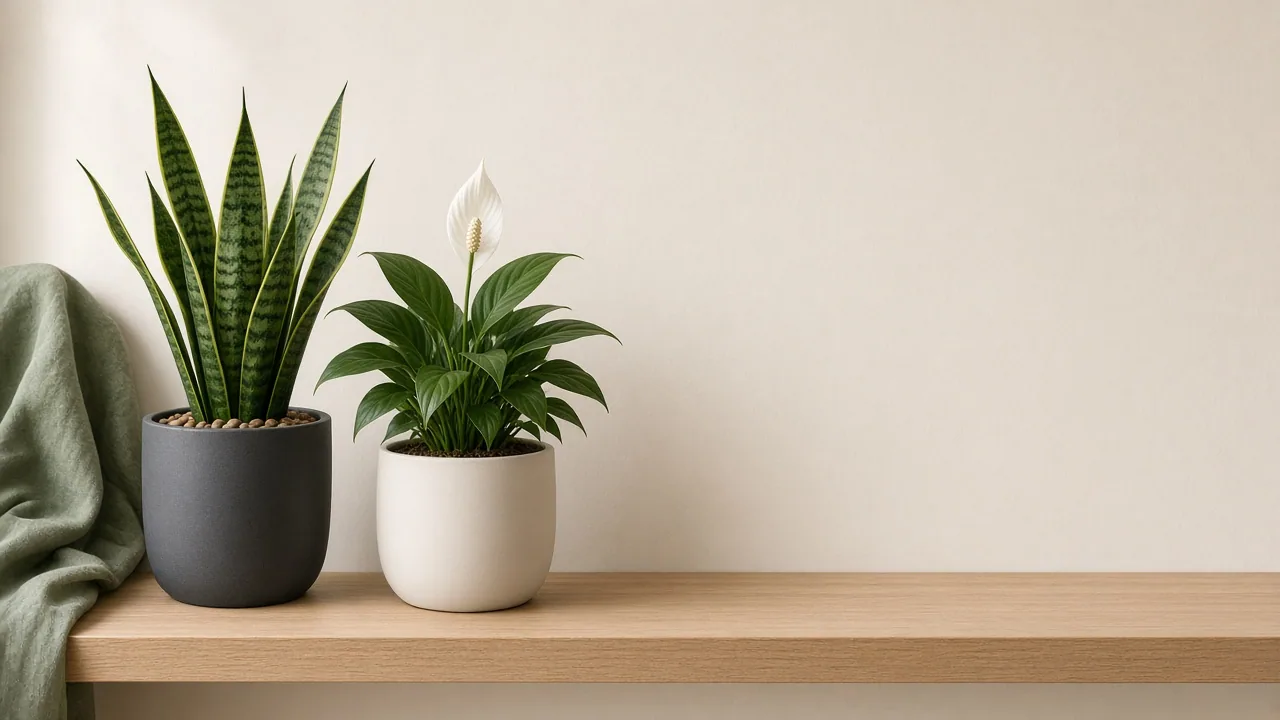
In today's modern lifestyle, indoor air quality often takes a back seat to convenience and style. Yet pollutants and allergens build up in every home, and most of us spend the bulk of our day indoors. Air-purifying plants are nature's own answer: they lift the look of a room and, quietly, remove toxins while they do it.
Why indoor air quality matters
Poor indoor air can cause anything from headaches and allergies to longer-term health problems. Common household materials release formaldehyde, benzene and trichloroethylene, and without ventilation those compounds linger. Certain plants absorb them through their leaves and roots, making the air cleaner and your home more comfortable.
Meet nature's best cleaners
Snake Plant (Sansevieria). Often called "mother-in-law's tongue," the snake plant is hardy, low-maintenance, and excellent at filtering toxins. It thrives in low light with minimal watering, which makes it ideal for busy households.
Peace Lily (Spathiphyllum). Elegant white blooms and lush leaves make the peace lily a visual delight, and it is a powerful purifier. It does best with regular watering and moderate light.
Spider Plant (Chlorophytum comosum). A favourite among indoor gardeners. Its long, arching leaves remove common indoor toxins, and it forgives most beginner mistakes.
Bamboo Palm (Chamaedorea seifrizii). Adds a tropical touch, humidifies the air, and filters harmful chemicals. It prefers indirect sunlight and can grow into a striking focal point.
Boston Fern (Nephrolepis exaltata). Feathery fronds and one of the most efficient natural purifiers. It likes moisture and humidity, so bathrooms and kitchens suit it well.
Keeping your air-purifying plants at their best
Regular care keeps these plants working. Wipe leaves with a damp cloth so dust does not block absorption. Tailor watering to each plant; overwatering is as harmful as underwatering. Give them adequate light, natural or from a grow light.
If you would rather not think about watering schedules at all, this is exactly the problem the RootRains Smart Planter was built to solve.
Bringing greenery into your space
You do not need to redecorate. Start with a few well-chosen plants in the living room, office or bedroom. Choose planters that complement your interior, and group plants together for a small indoor garden that is both beautiful and functional.
Final thoughts
Air-purifying plants are a natural, sustainable way to improve indoor air while adding life to your home. Pick the right plants, care for them well, and let nature's best cleaners get to work.